Eastern Tales, the debut album by Babylon Tree

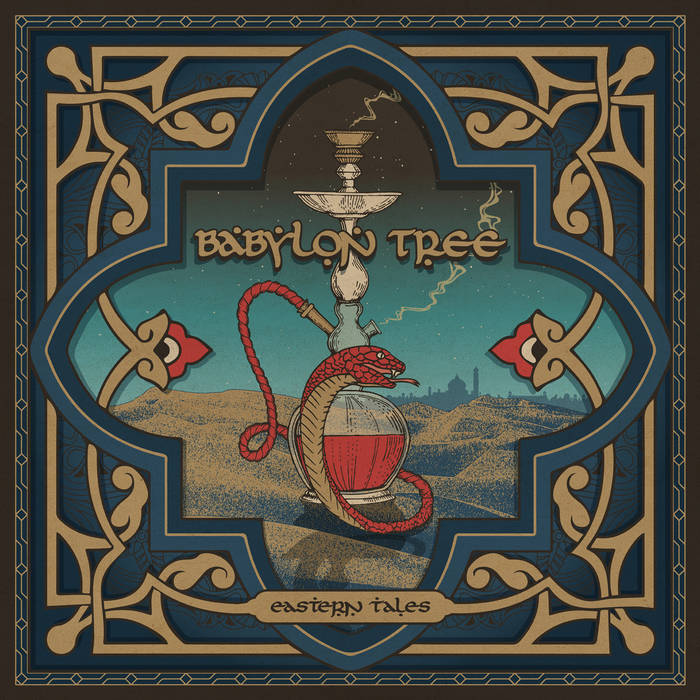
Babylon Tree is an instrumental heavy psych band from Athens, Greece. The six member band recently released their debut album, Eastern Tales. On it, the band attempts to capture the aesthetic of the Far-East. Their music is positively Middle-Eastern sounding, employing the use of Persian scales. The album art, created by Manster Design, adds to that feel, with the incorporation of dunes, a snake-hosed hookah, a spired city in the distance, and an Eastern motif.

“…a richly layered composition…”

The album is made up of six songs, each around 8-10 minutes, and each is a richly layered composition. There are the usual modern instruments like keyboards, electric and acoustic guitars, bass, and drums, but the band also adds in older, more traditional instruments, such as the ud, lute, and hammered dulcimer. The band’s sound ends up having many qualities of world music, but with the heavy groove of stoner rock. Their music is unique, but perhaps carries echoes of albums like Microtonal Flying Banana by King Gizzard.

The opening track, Anatolia (8:44), sets the tone with some tasty hand percussion and a nice clean guitar melody, and then we’re introduced to the deep, rich tones of the bass, which stand out consistently throughout the whole album. The song has a great oriental vibe and includes a creative organ section, guitar solos with some nice wah pedal and effect work, and some heavier breakdowns of the riff in the last half. The style, with its slow and contemplative Middle-Eastern themes, is almost like proto-surf music. The only complaint I have is that there are some organ tones toward the beginning which hit some volume peaks and sound like they are a little hot in the mix.

Dunes and Wind (10:17) introduces a psychedelic tremolo effect on the guitar, and features some great interplay between the bass and organ. There several transitions throughout the song that keep things interesting. The real highlight of the song is the extended use of the unique sounding hammered dulcimer at the end of the song.

Alawith (9:51) opens with a heavy bass-led rhythm section, laced with bells and hand percussion. The sound is very cohesive, with string-orchestra sounds on the keyboard. About halfway through, at the 5:15 mark, the song becomes more driving and heavy and the song features an awesome oriental sounding guitar solo complemented by a cool triplet pattern on the ride cymbal.

Sphinx (8:15) has a very authentic sounding opening with rich, blended layers that create a darker tone for the track. The song is very psychedelic and includes authentic instruments like the ud and lute, lots of hand percussion, mind-bending organ solos, and some funky wah-pedal action.

Bedouins (9:15) opens with a calculated guitar line leading into a groovy rhythm section which includes some beautiful guitar layers and heavy bass. The track features a syncopated, progressive section, some interesting stereo effects, and a classical sounding guitar solo. However, the song is hampered a little bit by some overly dissonant guitar notes and a meandering pace.

The closing track, Red Snake (8:40), is consistent with the rest of the album. It does change things up slightly by adding a trippy, spacier psychedelic section after the introduction, as well as several cool transitions throughout.

“…get lost in the rich layers and infectious groove patterns…”

Eastern Tales is a fantastic debut album for Babylon Tree, and consistently provides an intriguing mixture of Middle-Eastern themes and stoner rock. It’s easy to get lost in the rich layers and infectious groove patterns. The album is a solid debut release for Babylon Tree. Although there is no physical copy of the recording, you can buy the digital album on Bandcamp, and definitely keep an eye out for more great music from Babylon Tree.
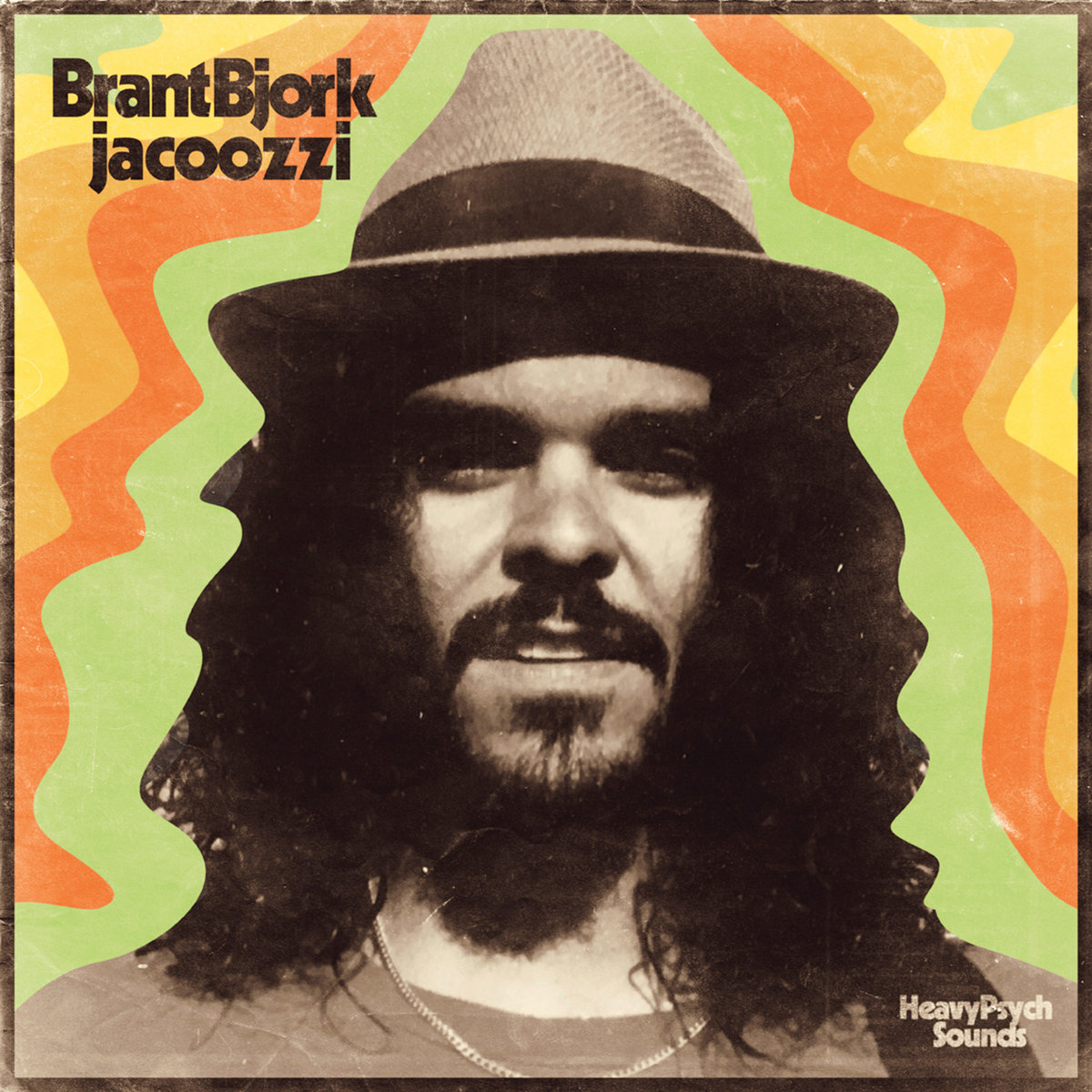
Album Review: Brant Bjork’s Jacoozzi

Brant Bjork is a name that is almost synonymous with desert rock. He’s a multi-instrumentalist from Palm Desert, California, so prolific that he has an entire wikipedia page about his discography. He was a founding member of Kyuss, playing on seminal albums such as (Welcome to) Sky Valley and Blues for the Red Sun. He also played for a time in Fu Manchu, recording albums such as California Crossing and No One Rides for Free. In addition to his work with other bands, he also has an impressive lineup of solo releases.

His newest album, Jaccoozzi, was released on April 5, and is being advertised as a sort of lost album. The album was recorded in 2010, but immediately shelved. This was because Bjork had decided to tour with John Garcia and Kyuss Lives, but also because Bjork’s time in the studio did not go as expected. Bjork had gone to a house in Joshua Tree, CA to record material for his next solo album, but personal life changes as well as feeling burned out from extensive recording and touring caused him to change his plans. Bjork decided to scrap his original project and focus on creating improvised jams. While his sound engineer ran tape, Bjork laid down his drum beats first and then layered the songs with bass and guitar tracks, as well as occasional organs. The whole album is swingy and groovy and except for the final track, completely instrumental. There are plenty of jazzed up, psychedelic, desert-rock patterns that serve as jam tracks for Bjork to creatively elaborate on and explore. The album features some driving tribal beats and percussion, crunchy extended riffs, tasty guitar leads, and a fat bass sound. Whether you’re out grilling in the backyard, road-tripping through the desert, or chilling in the hottub, Jacoozzi will make for an awesome summer soundtrack.

The first track, Can’t Out Run the Sun, is a nearly eight minute song, built around the concept of a driving, tribal drum beat and heavy delay effects on the guitars. There are plenty of psychedelic, trance inducing patters that develop as the song adds guitar layers throughout.

The second track, Guerilla Funk, introduces hand percussion and a crisper bass sound, and funking it up as the name implies. Bjork’s heavy cymbals, completely allowed to ring out on the recording, sound so good, paired with the huge, ringing drum sound. The track clocks in at 7:20.

At half the length of the first two tracks, Mexico City Blues is a smooth, 12-bar based song that features drums beats with a slightly Latin feel. The tasty guitar leads make this one perfect for a twilight drive through the high desert.

Bjork explores a solo instrumental drum track on Five Hundred Thousand Dollars. It’s a 43 second bash fest on the drums that completely grooves. Black and White Wonderland slows things down with a very solid rhythm pattern between the drums and bass, paired with a very listenable guitar riff.

Oui picks up the pace with plenty of wah pedal and driving, tribal patterns on the drums. The whole track plays like a psychedelic surf song. Mixed Nuts follows it up in a laid back, jazzy way. There are some tasty bell taps on the cymbals, and some great harmonies between the bass and guitar.

Around the half minute mark, Lost in Race features a heavy bass riff, a great return of the hand percussion, and a huge drum sound. Organ tracks add a cool counterpoint melody throughout the song, sometimes dissonant, but adding to that improvised, jazzy feel.

The four minute track, Polarized, brings in several cool heavy psych elements, including, a backwards drum track, very fuzzy, feedbacky guitars, and a detached sounding piano line, that lays down the palpable rhythm melody of the song. The high pitched piano and guitar tones contrast nicely with the deep bass and dub-like drum beat.

Do You Love Your World? is the only track on the album with vocals. The song has a great classic rock sound and Bjork’s vocals, though a little quiet in the mix, sound clear and heartfelt. Perhaps this bit of vocal musing was a remnant of Bjork’s original material that carried through to, or maybe it was just something he came up with at the moment.

The important thing to remember is that this is an improvised jam album, halted before fruition, and presented in raw form, so if that sounds good to you, check out Brant Bjork’s Jacoozzi and get ready to groove.

Tour Dates

May 25 Pappy & Harriet’s – Pioneertown, CA

June 19 Hirsch – Nuremberg, Germany

June 24 Musikbunker – Aachen, Germany

June 25 Centralstation – Darmstadt, Germany

June 26 Musik Zentrum Hannover – Hanover, Germany

June 29 Austria Rockhouse – Salzburg, Germany


Akmé, the Sophomore Heavy-Psych Album by Sageness

Akme, by Sageness

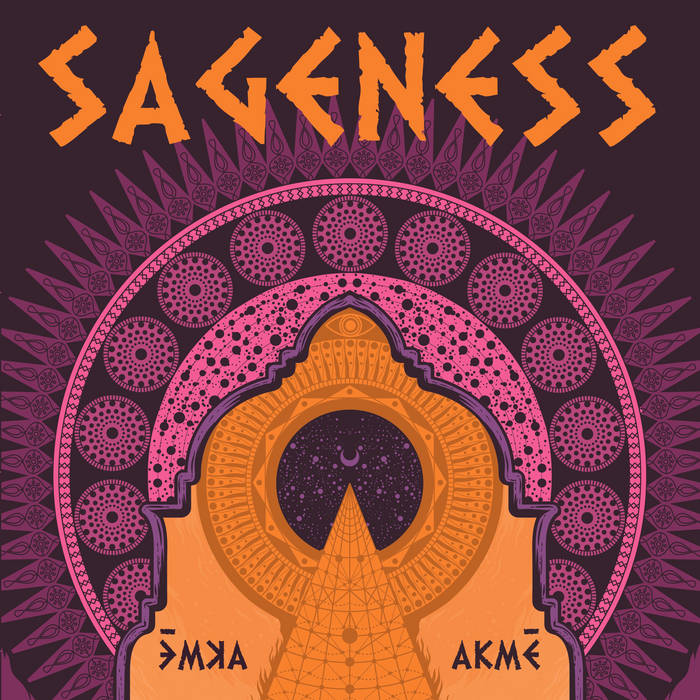
Sageness is a heavy-psych trio that hails from Leon, Spain. The band produces instrumental, psychedelic music with healthy doses of stoner and post-rock. Akmé, their second full length after their self-titled album in 2017, was released on February 23rd. Rich textures and complex arrangements characterize the songs. Ethereal guitar parts overlay in-the-pocket drum and bass grooves. Parts of the album have progressive qualities, and everything on the album is listenable and enjoyable, with the haunting guitar melodies more than taking the place of vocals. Akmé is a great example of a band whose members are synced together and really listen to each other. Their album features beautiful art by Diogo Soares and you can buy the digital album or CD on bandcamp.

“plenty of full-blooded riffs”

Andromeda, the first track, is an easy flowing opener that clocks in at just above seven and a half minutes. The song takes its time to develop up and take form, exploring arpeggiated guitar leads early in the song before developing into plenty of full-blooded riffs later on. Fans of the album Dead Roots Stirring, by Elder, will appreciate the rich guitar tones on this song.

The second track, a nine minute composition entitled The Thought, opens with heavily driving bass, spacey effects and ethereal guitar sounds, while the drums lay down a lively, funky beat that holds the song elements together. The band alternates between jams that allow the song to breathe, and moments of progressive syncopation. Great use of the wah pedal is made later in the song, and there are moments when the guitar leads even have a surfy vibe that is just fun to be carried away on.

Sizigia is the shortest track on the album, clocking in at four minutes and 19 seconds, but what it lacks in length is made up for in catchy guitar hooks and pleasing tones. By contrast the next song, Ephemeral, is the longest song on the album, clocking in at nearly 10 minutes, and is a sprawling track that really should be thought of more as a complex composition, with many transitions, than simply as a song.

“a progressive, post-rock journey”

A thought that crossed my mind continuously while listening to this album was how tuned in the musicians of Sageness are with each other. The next track, Mindbender, is a great example of this. The group takes us on a progressive, post-rock journey. Don’t miss the last half of the song when the track makes a swift turn into a galloping stoner rock riff to finish things off.

The album wraps up with Hydro. Wonderfully melodic guitar leads more than take the place of vocals on this one. The end of the song features some tight drum and bass progressions, over laid by heavy effected guitar lines, with amazing results.

Overall, the album really is a good showcase for these proficient musicians, who are in tune with each other and their craft. It’s tempting to think that on a 42 minute album with no vocalist (not to mention three songs that are over the seven minute mark) the songs might tend to be drawn out and boring, but this can’t be less true. There are plenty of transitions to keep things moving and interesting, and the guitar dramatically takes the place of vocals. Akmé is well worth repeated listens.

March 23 Babylon Leon – Leon, Spain W/ Raw Colors